
Natural Killer (NK) Cells
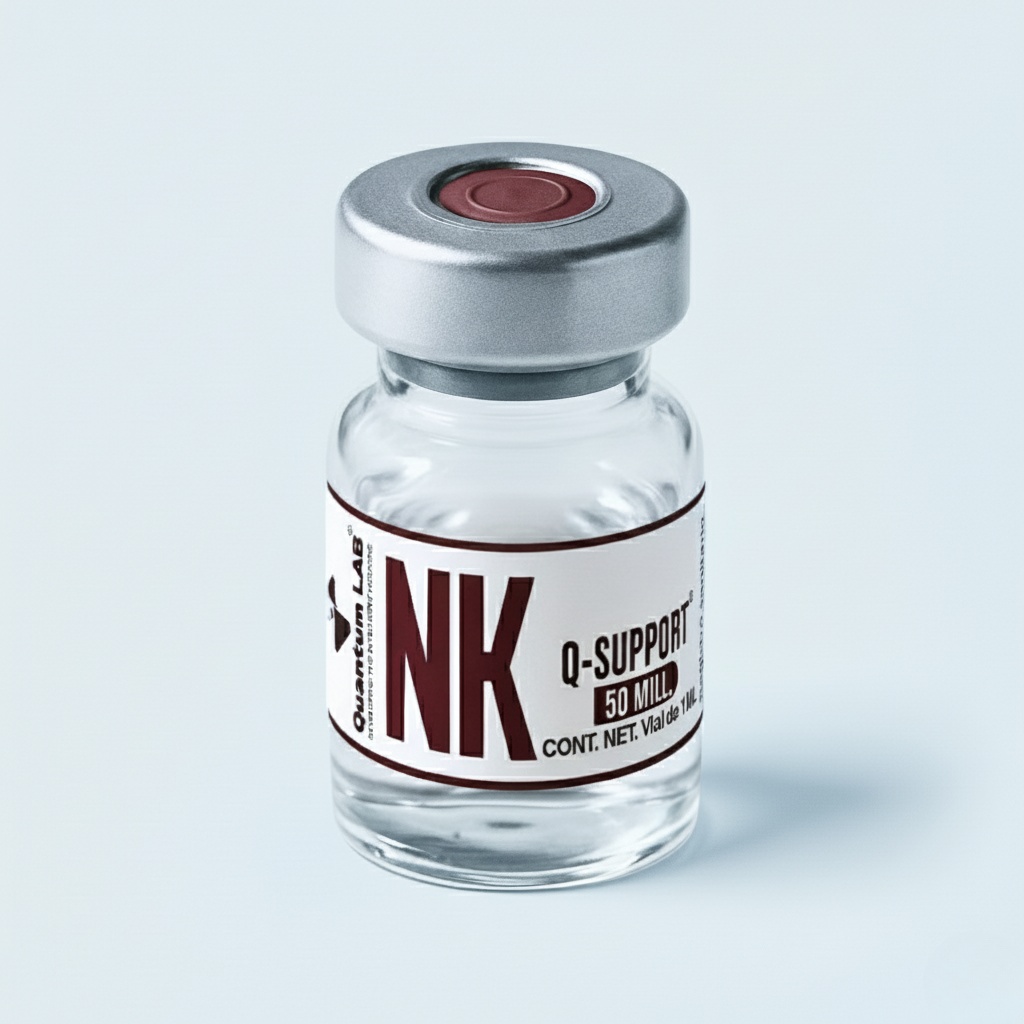
In vitro expanded and activated CD3-/CD56+ cytotoxic CD3-/CD56+ lymphocytes used as an immunological complement in immunotherapy protocols.
Presentation and concentration
Mechanism and evidence
Direct cytotoxicity: cell recognition with MHC-I low/absent and lysis by perforin/granzymes.
ADCC (CD16): synergy with monoclonal antibodiesdestroys cells opsonized with IgG.
Immunoregulation: secretion of IFN-γ/TNF-α y crosstalk with dendritic and T cellsadjusting the tumor microenvironment.
Evidence framework: mechanisms valid in basic immunology; ongoing clinical translationwith response influenced by patient status, KIR/HLA profile and degree of activation ex vivo.
Origin and expansion
Source: peripheral blood from donors selected by clinical and serological screening.
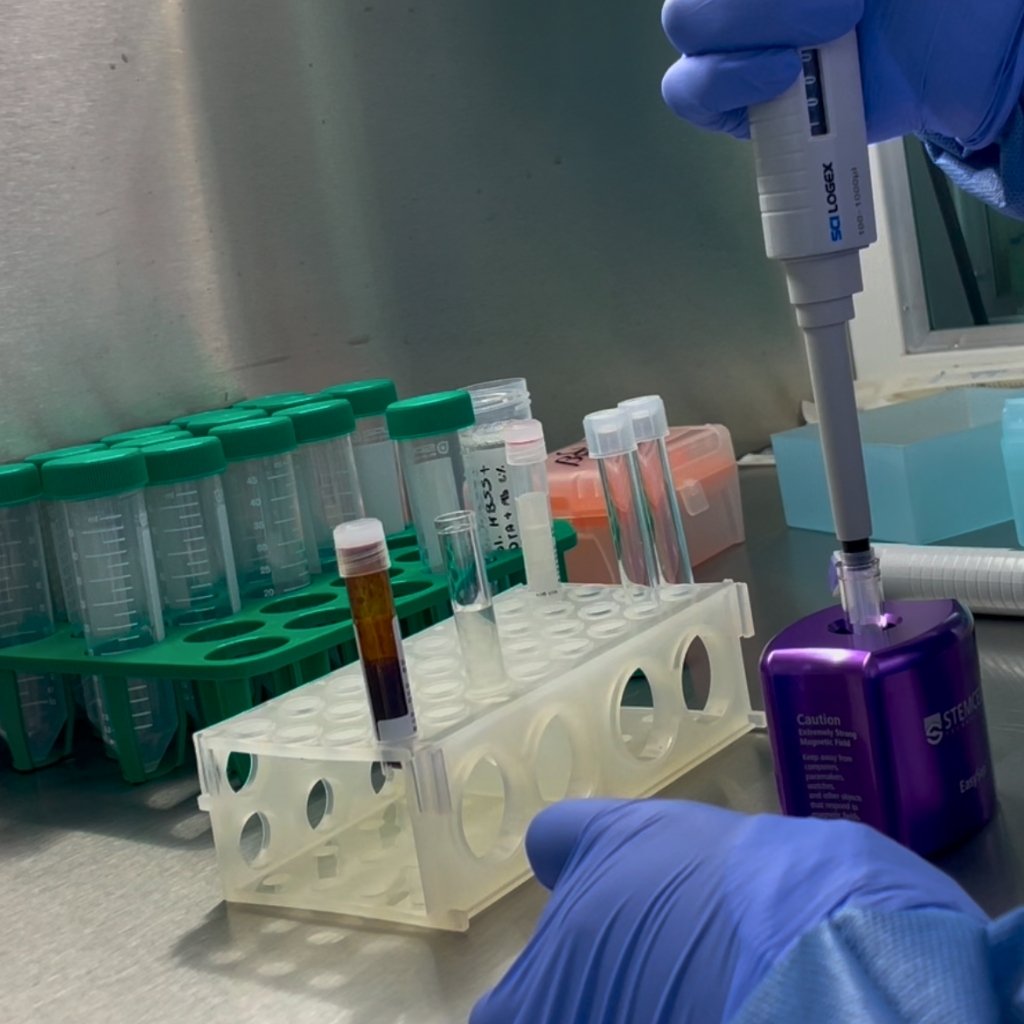
Expansion and activation: controlled culture with IL-2 and IL-15 cytokines, in a validated serum-free platform.
Immunophenotypic profile (by flow cytometry): NK population CD3-/CD16+/CD56+ CD3-/CD16+/CD56+; absence of CD3+ T-lymphocytes (CD4+, CD8+, Treg CD3+CD25+FOXP3+) y absence of CD19+/CD20+ B-lymphocytes.
Characterization and quality
Id: CD3-/CD56+with expression of CD16 and NK activation receptors.
Functional power:
Cytotoxicity against sensitive lines (e.g., K562) at defined E:T ratios.
ADCC mediated by CD16 in combination with therapeutic IgG (when applicable).
Feasibility and count: by exclusion of trypan blue by cytosmart with gating standardized.
Microbiological safety: sterility (USP), mycoplasma (qPCR) and endotoxins (LAL).
Use and preparation
Via: intravenous with monitoring.
Dilution: 3-4 mL NaCl 0.9% sterile; apply immediately (≤ 5 min).
Speed: infuse slow (≥ 3 min).
Vial handling: shake gently; do not use if there is dark particles or lack of homogeneity; do not refreeze remnants.
Conservation and logistics
Storage: keep in 2-8 °C to its application.
Cold chain: do not administer if it was interrupted or if they have passed > 72 h from the laboratory shipment.
What are Natural Killer (NK) cells?
Cytotoxic lymphocytes of the innate immune system with phenotype CD3-/CD56+.
They recognize and remove altered cells (e.g., with low MHC-I expression) through the balance between receptors activators (NKG2D, NKp30, NKp44, NKp46) e inhibitors (KIR).
Its mechanism of action combines direct cytotoxicity mediated by perforin and granzymesand the secretion of IFN-γ and TNF-αwhich coordinate the immune response and remodel the inflammatory or tumor microenvironment.
In contrast to T lymphocytes, NK cells no prior sensitization required.
The following are used in immunotherapy expanded or activated NK.
Its clinical application is established under medical protocol and with evolving evidence.
Effective cytotoxic dose

Effective cytotoxic dose
% lysis in K562 at E:T ratios 1:1, 5:1, 10:1, converting each presentation to functional NK contributed and reducing intra-procedural adjustments.

Inter-lot reproducibility
Control variability in purity, viability and cytotoxicity for consistent dosing and greater clinical comparability.

Functional markers
Activating (e.g., NKG2D, NKp30/44/46) and inhibitory (KIR) receptor profiling; monitoring of depletion (e.g., PD-1, TIM-3) and IFN-γ/TNF-α secretion.

NK population purity
CD56⁺/CD3- quantification by cytometry; report CD56^dim/CD56^bright and CD16 subpopulations when applicable. Post-thaw viability included in batch documentation.
Our biotechnology products
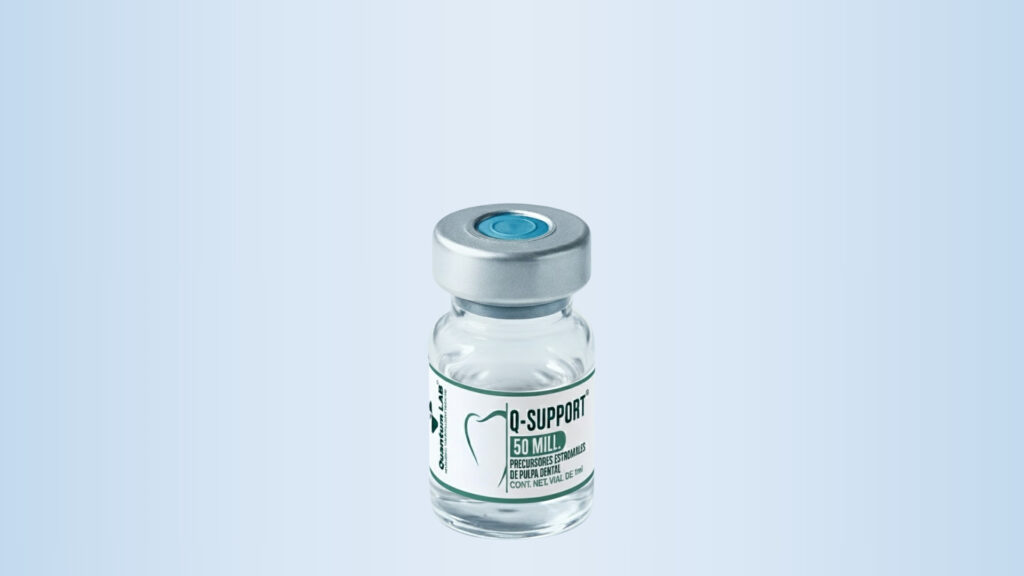
Dental Pulp Stromal Precursors
25 Million
50 Million
Mechanism and evidence
Paracrine and immunomodulation: secretion of extracellular factors and vesicles that modulate inflammation and stimulate tissue repair.
Odontogenic and osseous potential: capacity of differentiation towards lineages odontoblasto-like y osteogenicwith better performance when combined with biocompatible scaffolds.
Regenerative endodontics: evidence in development; experimental protocols with variable results.
Periodontics and implants: support in intrabony defects, alveolar ridge preservation y integration with biomaterials (early clinical phase).
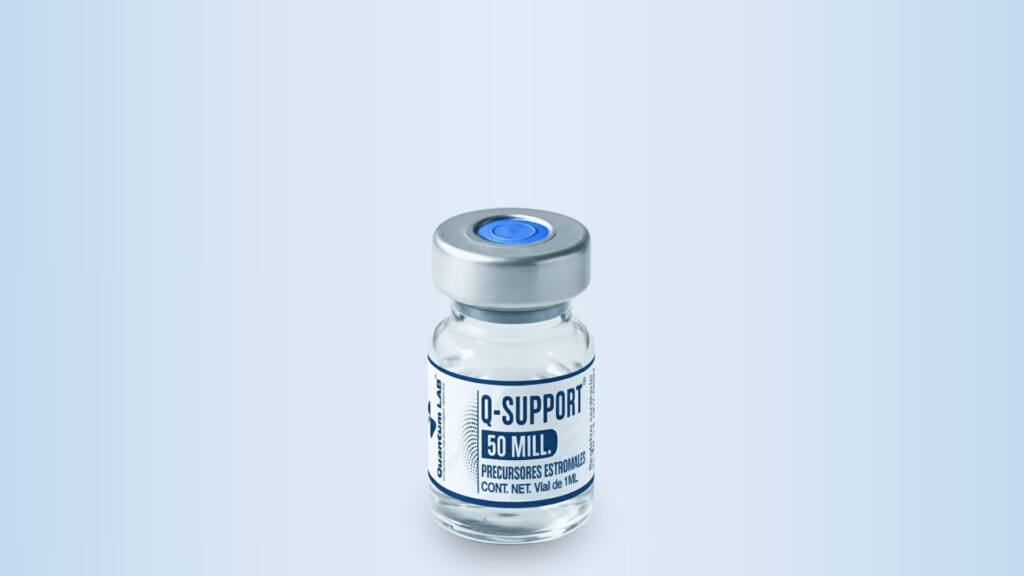
Stromal Precursors (MSC)
10 Million
25 Million
50 Million
Mechanism and evidence
Paracrine and immunomodulation: factors and EV that adjust inflammation and promote repair.
Odontogenic/bony potential: differentiation odontoblast-like and bone; better performance with scaffolding adequate.
Regenerative endodontics: evolving protocols; results heterogeneous between studies.
Periodontium/implants: support in intrabony defects and ridge preservation (early evidence).
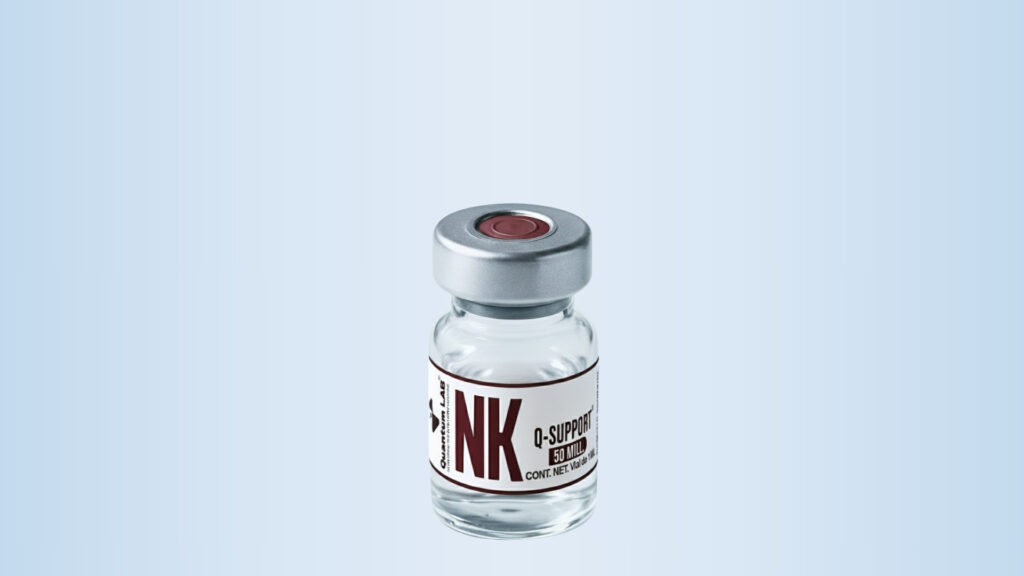
Natural Killer (NK) Cells
25 Million
50 Million
Mechanism and evidence
Direct cytotoxicity: cell recognition with MHC-I low/absent and lysis by perforin/granzymes.
ADCC (CD16): synergy with monoclonal antibodiesdestroys cells opsonized with IgG.
Immunoregulation: secretion of IFN-γ/TNF-α y crosstalk with dendritic and Tadjusting the tumor microenvironment.
Evidence framework: mechanisms valid in basic immunology; ongoing clinical translationwith response influenced by patient status, KIR/HLA profile and degree of activation ex vivo.
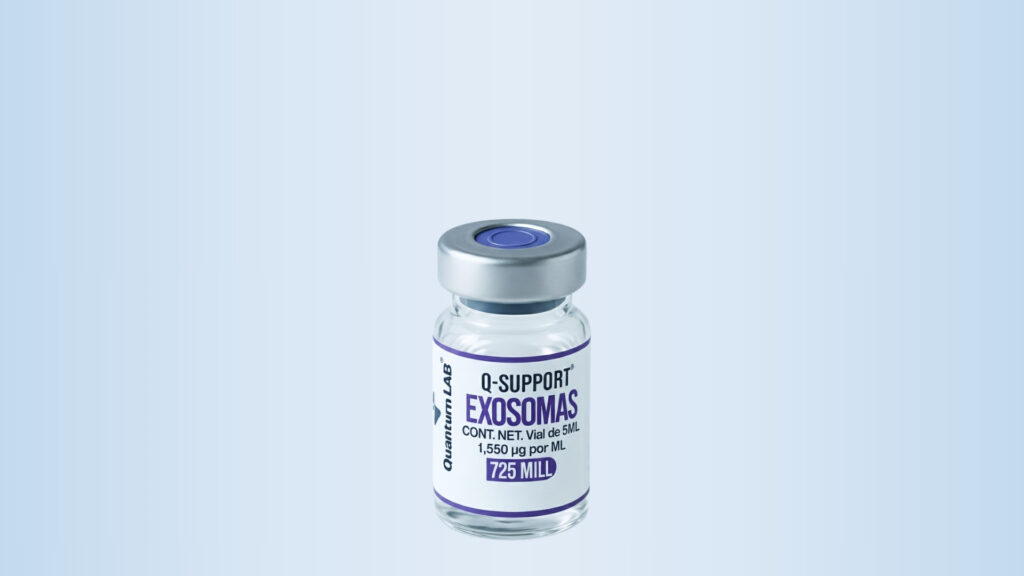
Exosomes
1,550 µg per vial of 5 mL
Mechanism and evidence
They act as natural mediators of cellular communication, transferring proteins, RNA and bioactive factors that modulate the inflammatory response and stimulate endogenous regeneration mechanisms.
Promote the controlled angiogenesisthe reorganization of the extracellular matrix and the functional recovery of tissuereducing variability in clinical outcomes and return-to-work times.
Developed for scenarios where predictable recovery, pain reduction y sustained tissue stability during follow-up.