Quantum Lab® scientific and operational team

We are a multidisciplinary team that translates clinical questions into actionable research. We combine immunology, hematopoiesis, tissue engineering, bioinformatics and bioprocesses to design studies, validate findings and implement them in hospitals and academic centers. We work under protocols approved by the Ethics Commission of the UNAM and in institutional agreement with the UNAM, prioritizing rigor, transparency and measurable results.

Research fronts applied

Lines of work that connect scientific evidence with the responsible integration of our cell preparations in clinical settings.

Translational immunology icon with blue molecular shield symbolizing research in immune metabolism, inflammation and cellular regulation.

Applied Immunology

Study of immune and MSC activation/modulation in experimental models; support in cellular pathways relevant to inflammation and differentiation.
Phytochemistry and bioprocesses icon with leaf and gear alluding to research in bioactive compounds and biotechnological scaling up.

Phytochemistry and bioprocesses

Isolation/standardization of Sechium compounds and technological development with associated plant patents and registrations.
Hematopoiesis and immunogenetics icon with drop and DNA helix, linked to hematopoietic progenitor studies and immune genetics.

Hematopoiesis and leukemia biology

Hematological models with drug resistance (SIRT1-p53), progenitor mobilization and biomarker definition/monitoring.
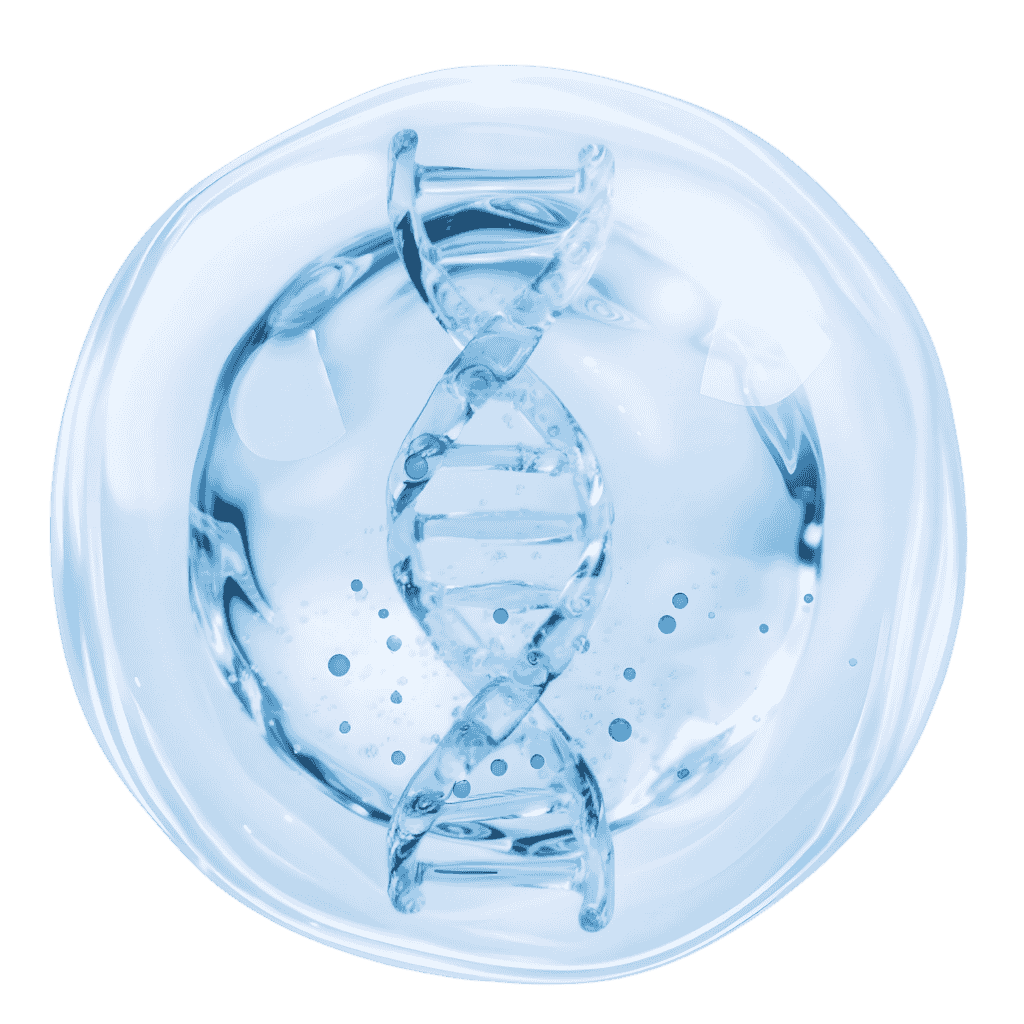
3D representation of a DNA molecule floating inside a translucent aqueous sphere, symbolizing genetics and biotechnology.
Tissue engineering and biomaterials icon representing scaffolds and interacting cells for research in tissue regeneration and applied cell biology.

Tissue engineering and biomaterials

Polymeric scaffolds (PCL/PLGA, CNF) and functionalized surfaces for DPSC/MSC interaction, with in vitro/in vivo and 3D-printing/electrospinning validation reported by the team.

Icon of biosensors and bioimpedance in blue color representing chips and electrical waves used for detection and analytical validation.

Biosensors and bioimpedance

Development/validation of electrical bioimpedance and QCM-D for detection of nucleic targets and inflammatory markers (e.g. NLRP3).

Bioinformatics and data analysis icon with cylinder and graph associated with omics studies pipelines and biomedical computational modeling

Bioinformatics and omics data

16S analysis and QIIME2/R pipelines for integration of experimental and clinical data.
Scientific and research team

Alberto Parra Barrera, Ph.D. Quantum Lab

Immunology and molecular biomedicine.

Alberto Parra Barrera - Ph.D.

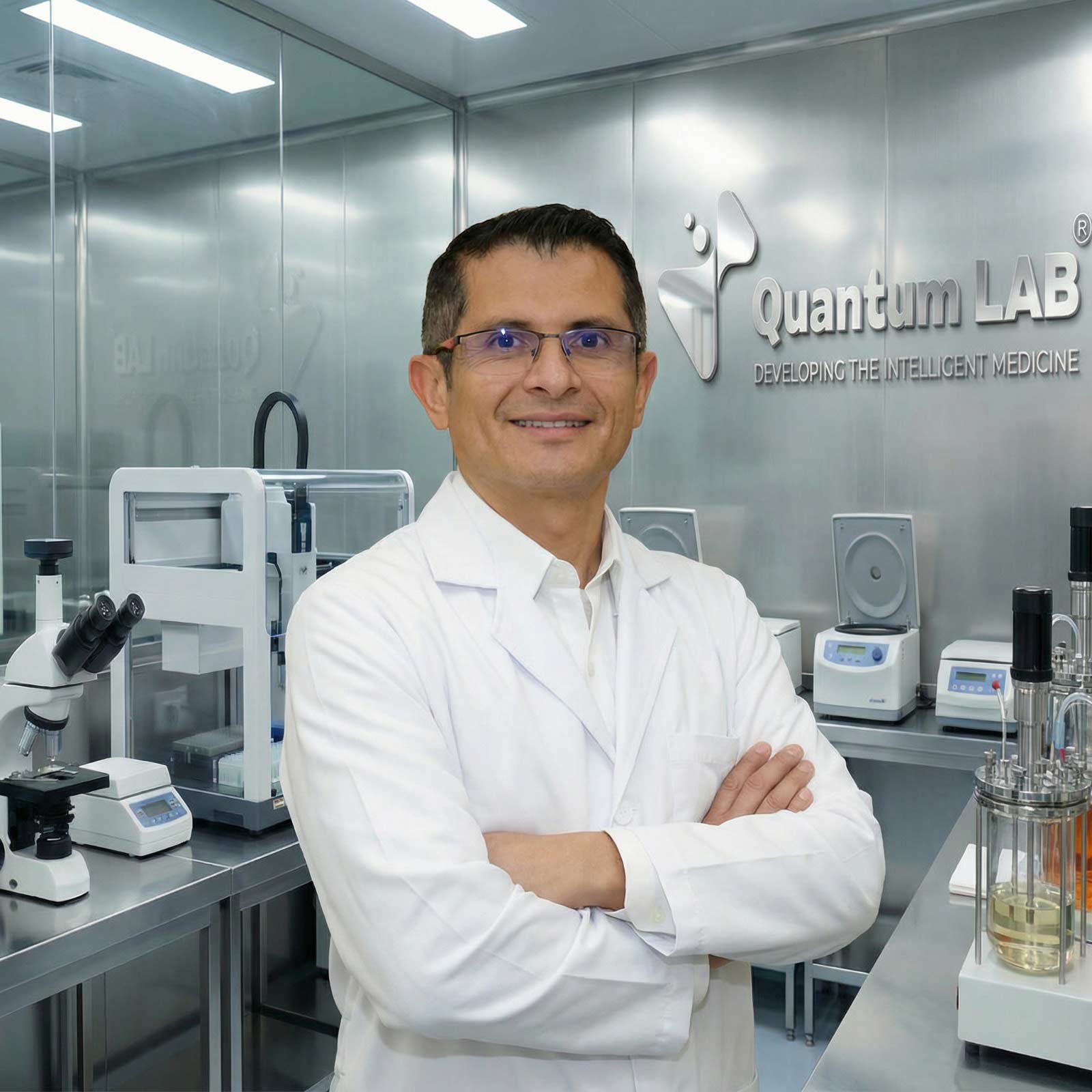
Investigates immunomodulation and applied cell biology (MSC, inflammation, metabolism). Experience in translational projects and recent co-authorship in MSC osteogenesis; support in scientific substantiation of lines and bibliography by indication.
Raul Rosales Ibanez - Ph.D.

Tissue engineering, biomaterials and DPSC.

Raúl Rosales Ibáñez - Ph.D.

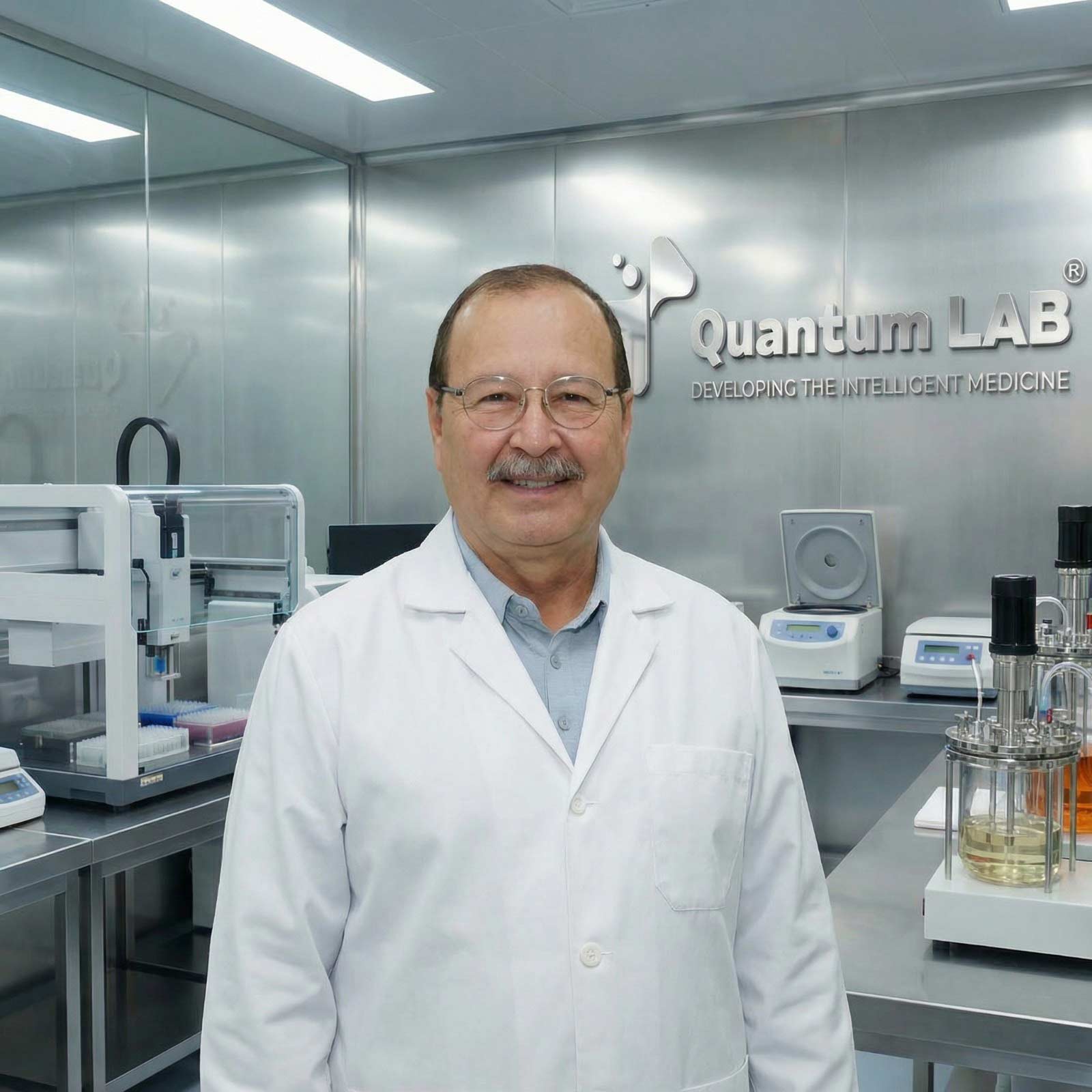
Professor UNAM FES Iztacala with background in polymeric scaffolds (PCL/PLGA) and applications in tissue regeneration; recent co-authorship in Polymers/J Biomater Appl. Support in cell-biomaterial integration and design of translational protocols.
Jorge Cadena Íñiguez - Ph.D.

Bioprocesses, applied phytochemistry and technology transfer.

Jorge Cadena Íñiguez - Ph.D.

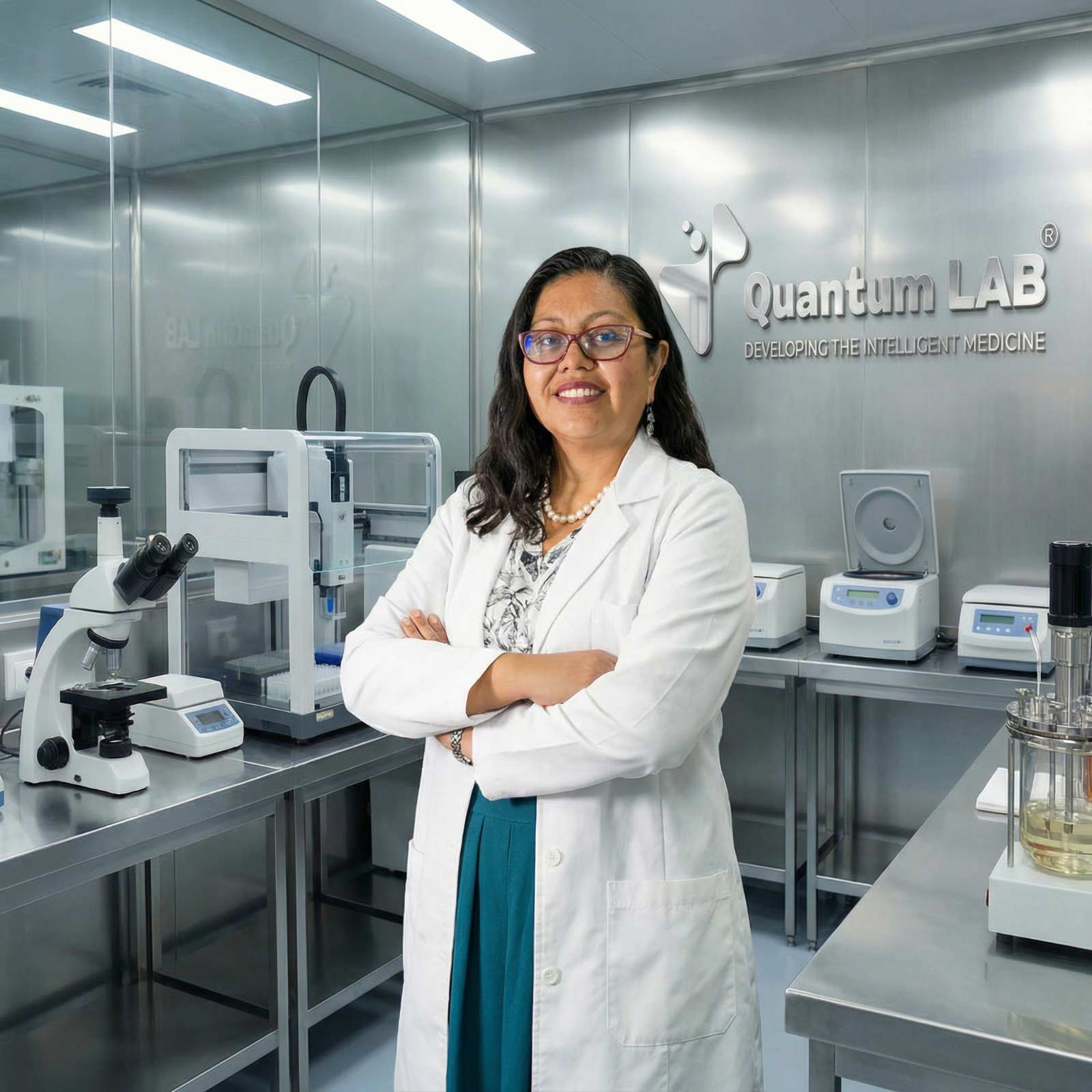
Track record with >100 articles, patents and editorial direction; experience in IP and scale-up. Provides evidence pathway design and liaison with academic centers and industry for preclinical validation.
Itzen Aguiñiga Sánchez - Ph.D. Antineoplastic activity of plant compounds; collaboration in hematopoiesisleukemia.

Antineoplastic activity of plant compounds; collaboration in hematopoiesis/leukemia.

Itzen Aguiñiga Sánchez - Ph.D.

PhD (COLPOS, 2022). Line manager in plant antineoplastics; experience in training and updating of manuals. Bridge towards mechanistic studies and preparation of complementary evidence.
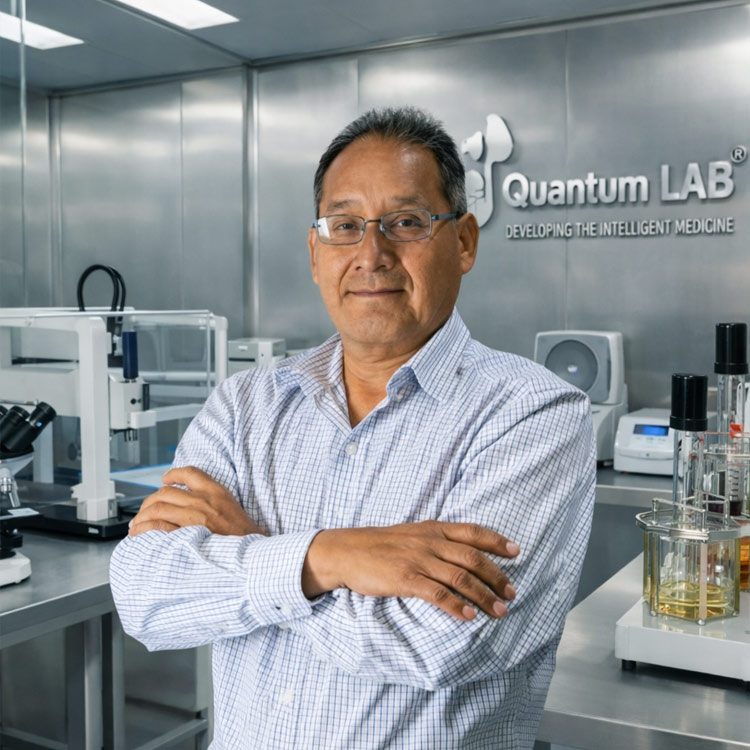
Edelmiro Santiago Osorio - Ph.D.

Hematopoiesis and leukemia.

Edelmiro Santiago Osorio - Ph.D.

SNI Level 2 (2014-2022) and h-index 13; thesis direction and scientific production in biomedicine. He contributes preclinical evaluation design (in vitro/in vivo) and biomarker interpretation in hematological contexts.
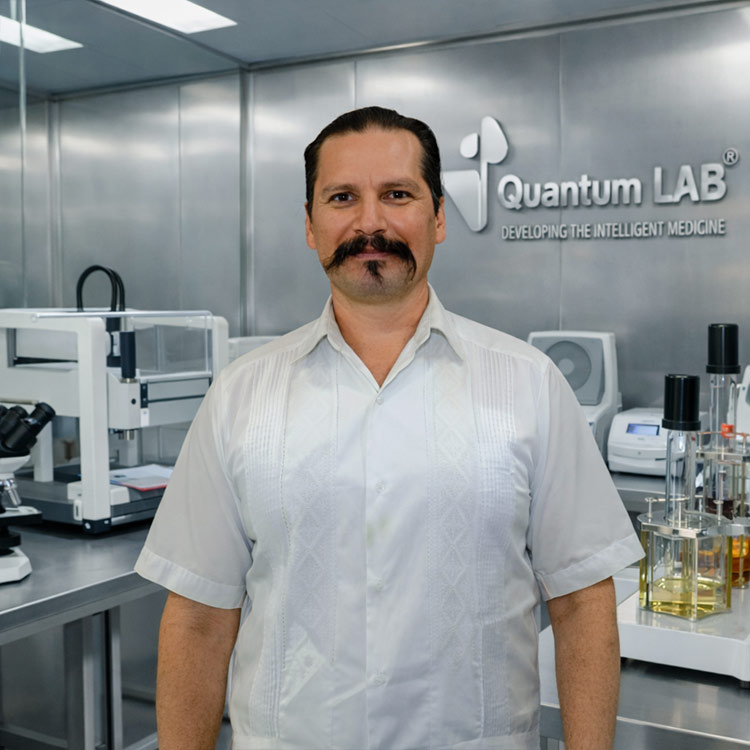
Modesto Gomez Lopez - Ph.D. Clinical Molecular Biology

Clinical molecular biology, biosensors/bioimpedance, oxidative stress and inflammation.

Modesto Gómez López - Ph.D.

PhD in Research in Medicine (ESM-IPN, 2015), postdoc in flow cytometry (UAM-I), SNI Level 1. Designs/validates molecular assays and biomarker panels (e.g., NLRP3, OGG1), with recent publications 2024-2025 in clinical and analytical methods.
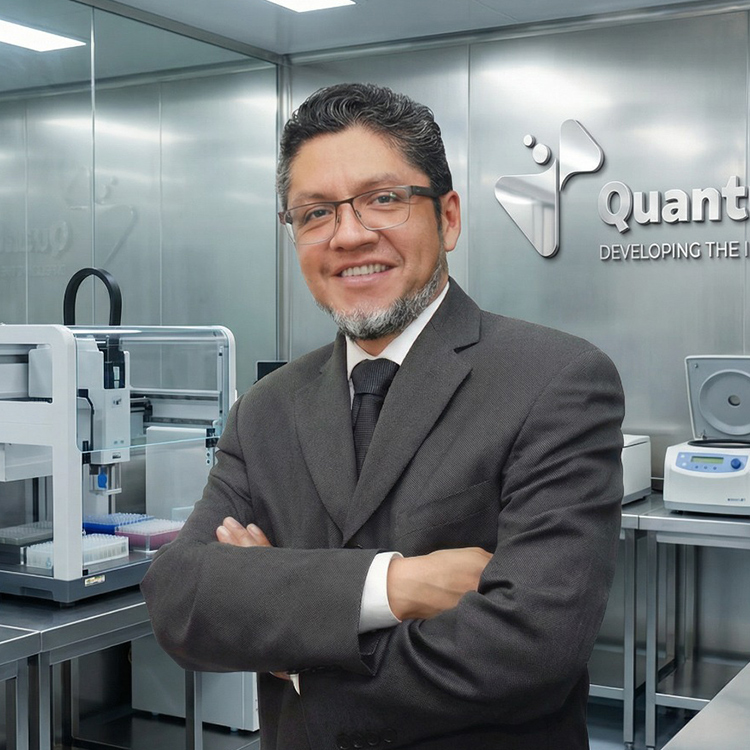
Amairany Rodríguez Navarrete - M.Sc. Molecular biomedicine applied to tissue engineering and dentistry.

Molecular biomedicine applied to tissue engineering/odontology.

Amairany Rodríguez Navarrete - M.Sc.

Co-author in Polymers/Journal of Biomaterials Applications; expertise in scaffolds and DPSC. Liaison for training, method transfer and clinical implementation support in regenerative dentistry.
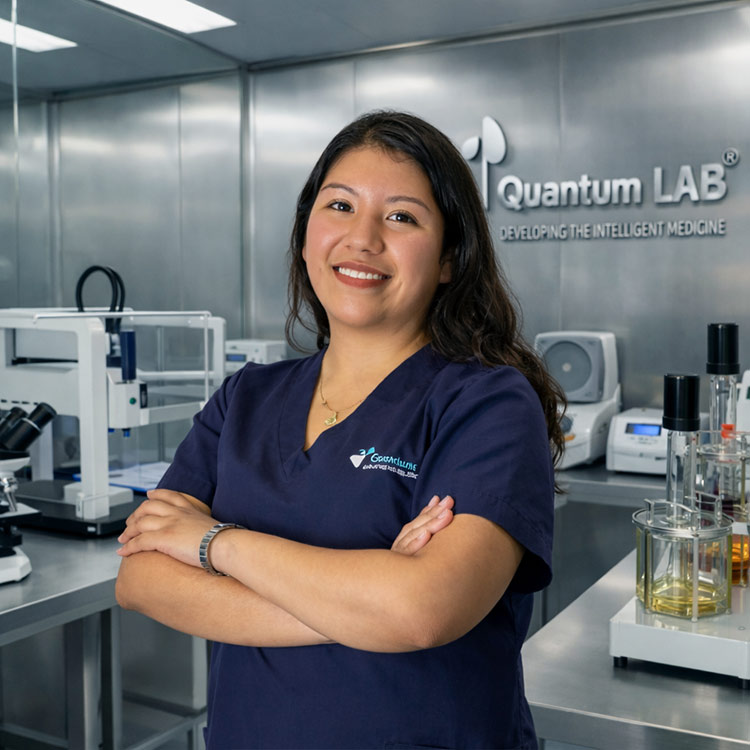
Lic. María Guadalupe Ramírez Padilla Quantum Lab Biologist

Biology (UNAM); support in molecular biology and documentation.

María Guadalupe Ramírez Padilla - B.Sc.

esis on the hepatoprotective effect of SechiumDiploma in Molecular Biology (DC-3). Support in molecular procedures, experimental recording and laboratory logistics.
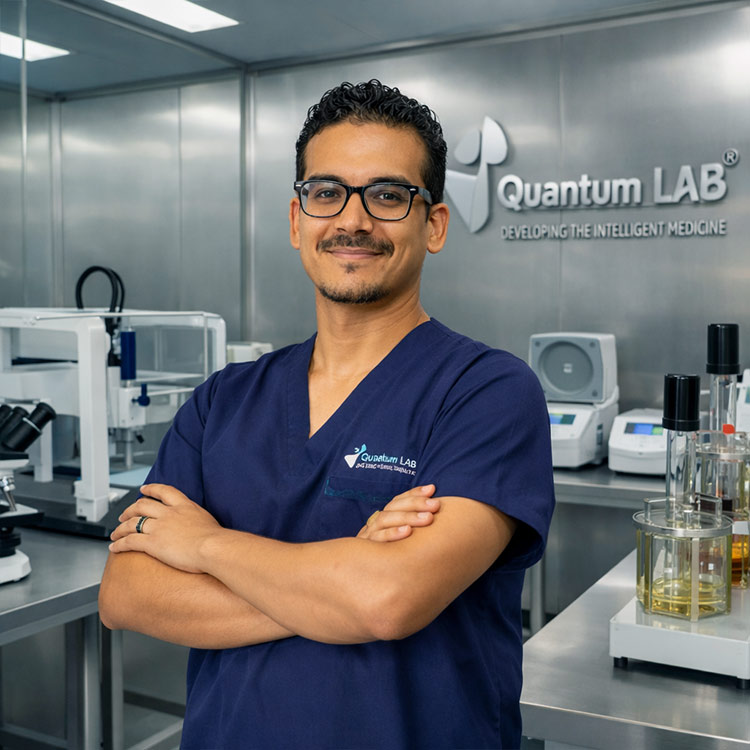
Q.F.B. Bernardo José de Santiago León Quantum Lab

Clinical/molecular laboratory operation and operational support.

Bernardo José de Santiago León - Q.F.B.

QFB UdeG with experience in CEESLAB (HPV molecular biology), laboratory processes and training; provides input support, operational documentation and good practices (NOM-059) in daily operations.
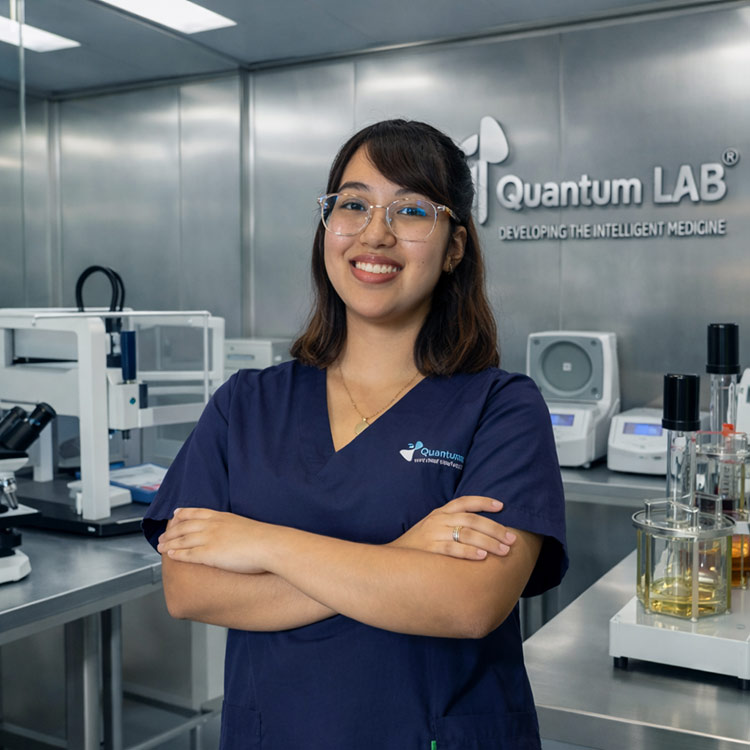
Lic. Ana María Altamirano Morales Quantum Lab Biologist

Experimental support in hematopoiesis/leukemia and laboratory operation.

Ana María Altamirano Morales - B.Sc.

Biologist graduated from UNAM with experience in metabolic disease research and management of in vivo models. Specialized in laboratory techniques such as ELISA, flow cytometry, cell culture and histopathological analysis, she contributes to projects on bioactive compounds and their effect on inflammatory and metabolic processes.
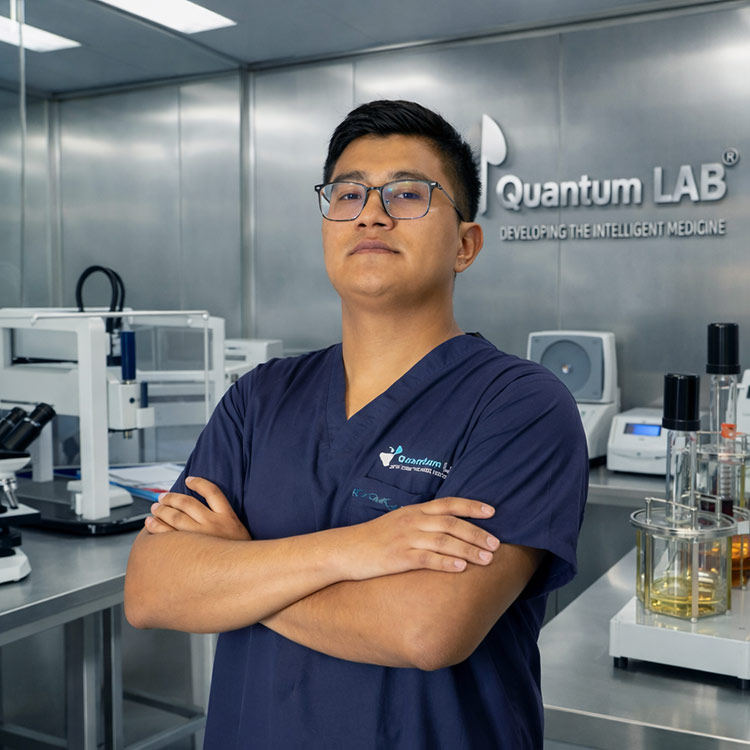
 

Lic. Adrián Cruz Olivares Quantum Lab Biologist

Bioinformatics and omics data analysis (QIIME2/R) + molecular techniques.

Adrián Cruz Olivares - B.Sc.

Training in 16S microbiota; experience in clinical-genomic data integration (INMEGEN) and laboratory support. Provides pipelines and data normalization for exploratory evaluation.

How we collaborate with physicians and clinics

We coordinate technical advice, training and case reviews to integrate cell lines and derivatives. under protocolwith documentation and defined management parameters.

Technical advice (1:1)

Line selection, handling parameters and documentary requirements.

Continuous training

Workshops and webinars for clinical teams; method transfer and protocol updates.

Review of cases

Eligibility, biomarkers and follow-up endpoints.

Frequently asked questions - Scientific and operational equipment

Here we answer the most common questions about how the Quantum Lab team collaborates with doctors and centers. If you don't see your case, write us from the last question.

Health professionals and research teams linked to clinical or academic institutions. We verify specialty and institution to ensure priority attention and responsible traceability.

We evaluate clinical objective, patient setting (at a high level), inclusion/exclusion criteria y center resources. The team proposes a option under protocol and documents operating parameters and next steps (not prescription).

No. Our work is technical-scientific: characterization of lines, documentation, management and monitoring parameters. The clinical decision The responsibility of the treating physician and the corresponding committees is the sole responsibility of the treating physician.

  • Specifications per line (e.g., ISCT criteria in MSC; CD3-/CD56+ in NK; CD63/CD81/CD9 and NTA in exosomes).

  • Management parameters and considerations for use under protocol.

  • Training material (operational checklists/SOPs, where applicable).

Professional Application → 2) Verification → 3) Technical selection → 4) Operational plan → 5) Scientific support.
You will receive a technical minutes with agreements and next steps.

Start incorporation process

Specialty and clinical objectiverelevant background, inclusion/exclusion criteriaapplication environment (e.g., ward/operating room), and responsible on the side of the center. We do not ask for sensitive data; if necessary, they will be treated with prior authorization.

We can sign confidentiality agreements and, in R&D projects, collaboration agreements that define ownership of data/results and publication criteria. All cases with academic output go through the corresponding committees.

Yes, programs on-demand (sessions 1:1), workshops y webinars on responsible integration, management parameters and updating of evidence.

Yes, in collaboration with institutions and within the applicable regulatory/ethical framework. We support in methodological design, endpoint definition y evidence plan (no clinical intervention).

Complete the application form indicating specialty, target y line of interest. We routed the inquiry to the scientific/commercial advisor and to the specialist for a targeted response.

Send focused consultation

After the technical selection (line/volume/parameters), the scientific/commercial advisor shares quotation and availability for your institution.

Request quotation and availability